
The Benefits of Using Robotics and AI in Manufacturing


Introduction to Robotics and AI in Manufacturing
In recent years, the integration of **Robotics and Artificial Intelligence (AI)** has transformed the manufacturing industry. This technological evolution has resulted in higher efficiency, improved product quality, and reduced operational costs. As businesses continue to adopt these innovations, understanding their benefits becomes crucial.
Efficiency and Productivity
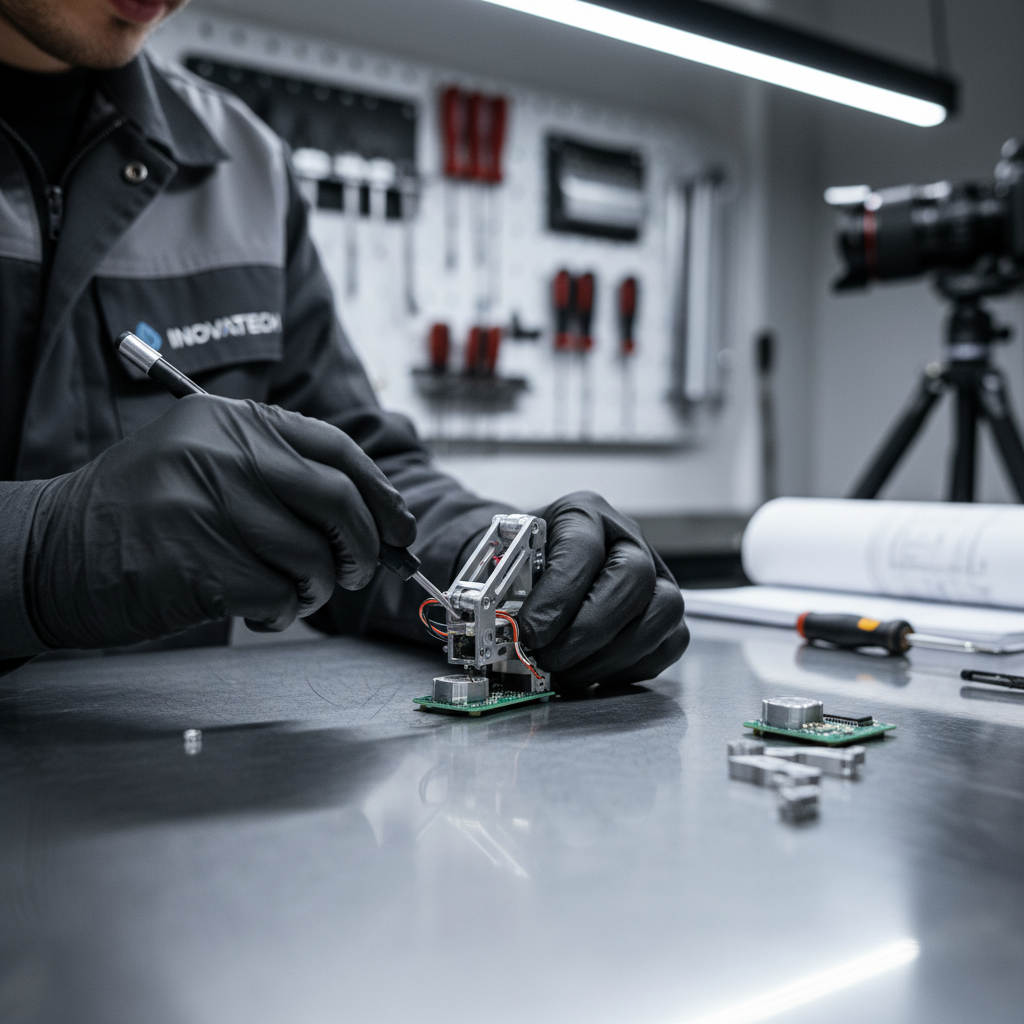
One of the most significant advantages of using robotics and AI in manufacturing is the dramatic increase in efficiency and productivity. Robots can work tirelessly for long hours without fatigue, handling repetitive tasks with precision. This leads to faster production cycles and the ability to meet high demand without compromising quality.
AI algorithms further enhance productivity by optimizing production processes. They analyze data in real-time, identifying bottlenecks and suggesting improvements. This dynamic approach ensures that manufacturing lines operate smoothly and efficiently.
Quality Control and Consistency
Robotics and AI play a crucial role in maintaining **consistent product quality**. Robots are equipped with sensors and AI capabilities to detect defects and inconsistencies in real-time. This immediate feedback loop allows for quick adjustments, reducing waste and ensuring high-quality output.
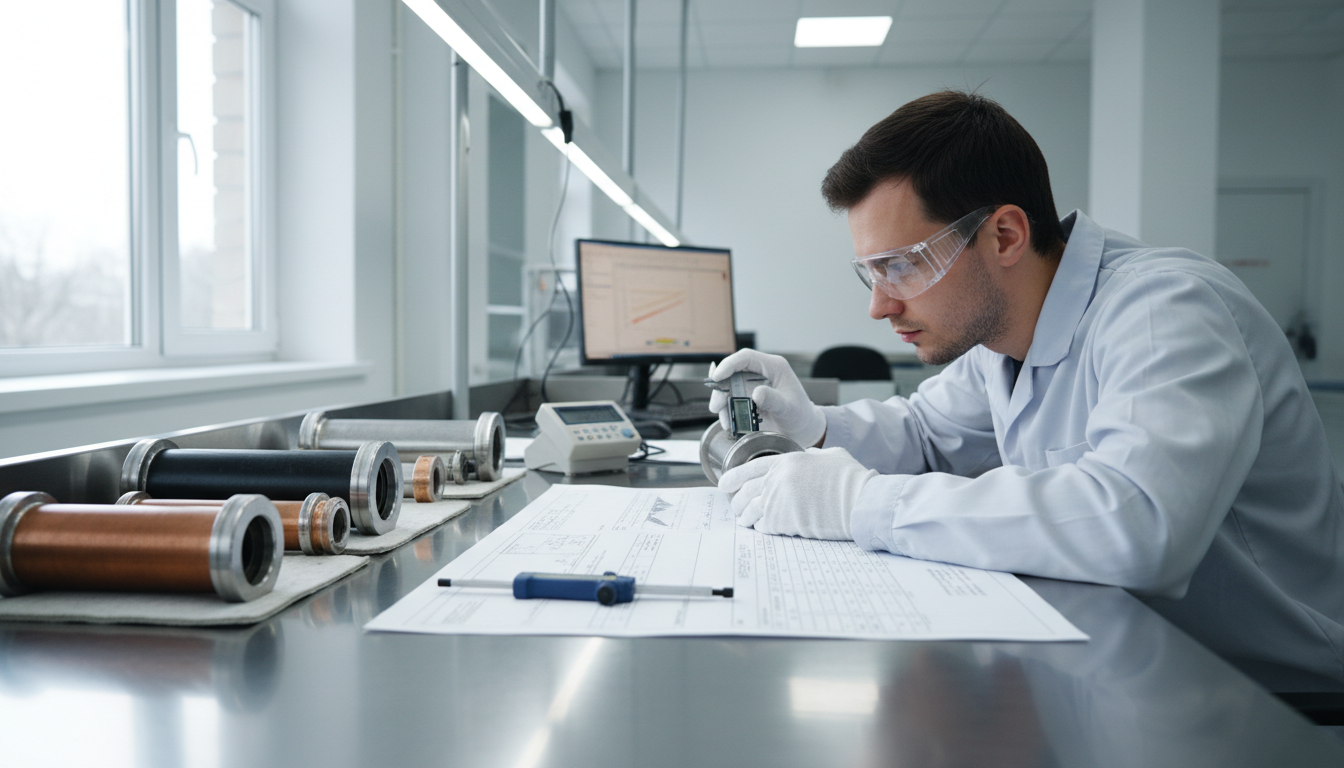
AI systems can also predict potential issues before they arise, allowing manufacturers to address problems proactively. This predictive maintenance reduces downtime and extends the lifespan of machinery.
Cost Reduction
Implementing robotics and AI can lead to significant cost savings. While the initial investment may be substantial, the long-term benefits outweigh the costs. Automated systems streamline operations, reduce labor costs, and minimize waste material.
- Lower labor costs due to reduced reliance on manual labor
- Minimized material waste through precise production
- Reduced downtime with predictive maintenance
Enhanced Safety
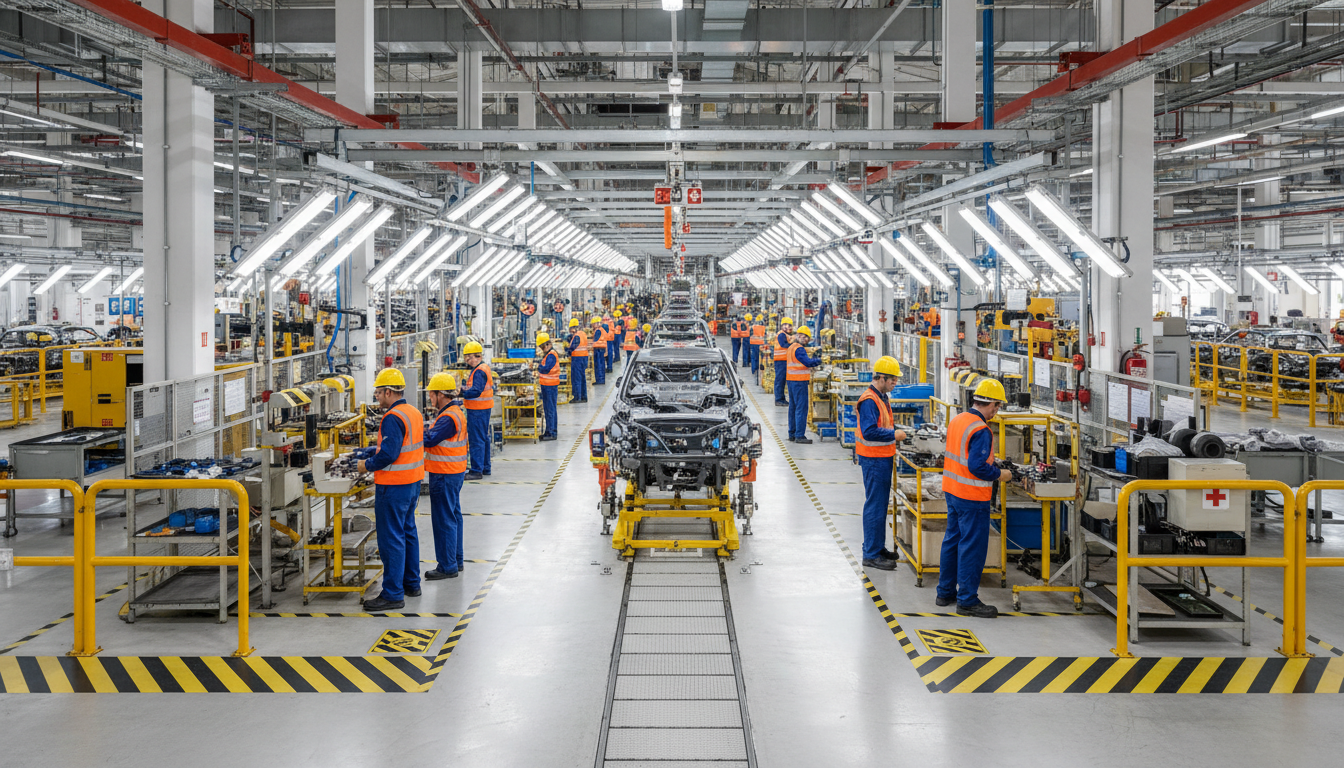
Manufacturing environments can be hazardous, with risks ranging from heavy machinery to toxic materials. Robotics and AI help create **safer workplaces** by taking on dangerous tasks that would otherwise pose risks to human workers. This shift not only protects employees but also reduces the likelihood of costly accidents.
Customization and Flexibility
Robots equipped with AI capabilities offer unprecedented levels of customization and flexibility in production. They can quickly adapt to new designs and specifications, allowing manufacturers to meet diverse customer demands without significant downtime.
This flexibility enables businesses to stay competitive in rapidly changing markets, offering tailor-made solutions to their clients efficiently.
Conclusion
The integration of robotics and AI in manufacturing is not just a trend; it's a necessity for businesses looking to thrive in the modern industrial landscape. The benefits—ranging from increased efficiency and quality to cost savings and enhanced safety—make these technologies invaluable.
As technology continues to advance, manufacturers embracing robotics and AI will find themselves at the forefront of innovation, ready to tackle the challenges of tomorrow.