
SuperAI vs. Traditional AI Solutions: A Comprehensive Comparison


Introduction to AI Solutions
Artificial Intelligence (AI) has become an integral part of various industries, streamlining processes and driving innovation. Within the AI spectrum, there's a growing distinction between SuperAI and traditional AI solutions. Understanding these differences is crucial for businesses looking to implement AI technologies effectively.

What is Traditional AI?
Traditional AI refers to systems designed to perform specific tasks based on pre-set algorithms and data inputs. These systems are highly effective for repetitive tasks and can handle vast amounts of data with precision. Traditional AI solutions include machine learning models, natural language processing, and rule-based systems that automate routine functions.
Benefits of Traditional AI
Traditional AI solutions are favored for their reliability and efficiency. They are well-suited for tasks like data analysis, predictive modeling, and customer support automation. The main advantages include:
- Cost-effectiveness: Easier to implement and maintain.
- Proven performance: Widely used across industries with established success.
- Scalability: Can handle large datasets efficiently.
Understanding SuperAI
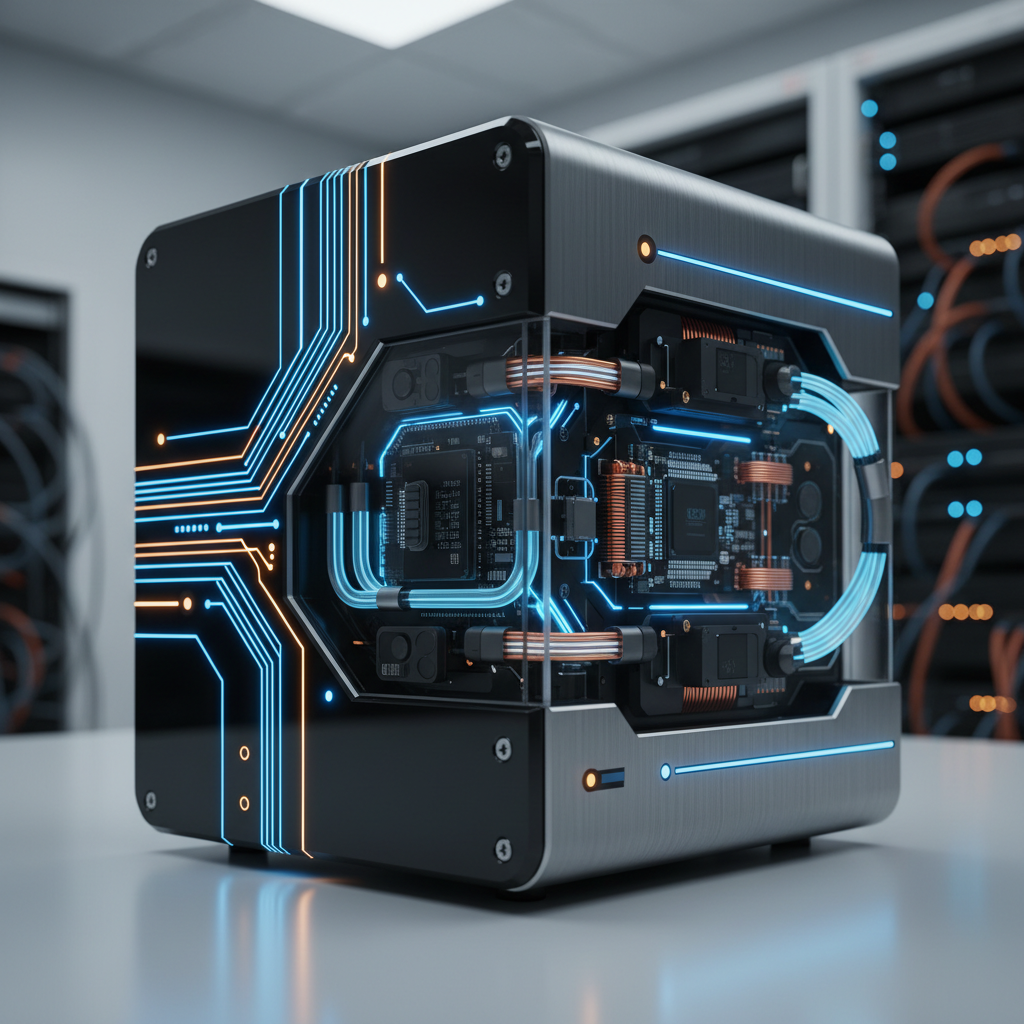
SuperAI represents the next evolution in AI technologies, offering systems that possess a higher level of cognitive abilities and adaptability. These solutions can understand complex patterns and make decisions akin to human reasoning. SuperAI integrates advanced neural networks and deep learning algorithms to achieve this superior functionality.
Advantages of SuperAI
SuperAI solutions are designed for more sophisticated applications across industries. Their advantages include:
- Adaptability: Can learn and evolve over time, improving their own performance.
- Complex problem-solving: Capable of handling intricate tasks that require higher-order thinking.
- Enhanced automation: Reduces human intervention in complex decision-making processes.
Comparative Analysis
When comparing SuperAI to traditional AI, several factors come into play. While traditional AI excels in defined tasks, SuperAI offers a broader, more dynamic range of capabilities. Businesses must consider their specific needs, resources, and long-term goals when choosing between these solutions.

Implementation Costs
SuperAI generally requires more substantial investment in terms of both time and money. The complexity of these systems often demands specialized expertise and infrastructure. On the other hand, traditional AI solutions are typically more accessible for businesses with limited budgets.
Conclusion
Both SuperAI and traditional AI solutions have unique strengths and can coexist to address different business challenges. By carefully assessing their requirements and capabilities, organizations can leverage the right AI technologies to drive innovation and efficiency in their operations.