
Boosting Efficiency in Logistics with AI-Powered Automation


Introduction to AI in Logistics
The logistics industry is undergoing a dramatic transformation, thanks to the integration of AI-powered automation. This evolution is not only enhancing efficiency but also reshaping how logistical operations are managed across the globe. By leveraging AI, companies can optimize routes, predict demand, and even automate repetitive tasks, leading to significant cost savings and improved service delivery.

Optimizing Supply Chain Management
One of the primary benefits of AI in logistics is the optimization of supply chain management. AI algorithms can analyze vast amounts of data to identify patterns and predict future trends. This predictive capability allows businesses to manage inventory more effectively, reducing waste and ensuring that products are available when needed.
Moreover, AI can help in forecasting demand with greater accuracy, enabling companies to align their production schedules and minimize overstock or stockouts. This level of precision not only boosts efficiency but also enhances customer satisfaction by ensuring timely delivery of goods.
Enhancing Route Planning and Delivery
AI-powered automation is revolutionizing route planning in logistics. By analyzing traffic patterns, weather conditions, and other variables, AI systems can determine the most efficient routes for delivery vehicles. This optimization reduces travel time and fuel consumption, leading to lower operational costs and a smaller carbon footprint.

In addition to route optimization, AI can also enhance last-mile delivery. Automated systems can dynamically adjust delivery schedules based on real-time data, ensuring that drivers are always on the most efficient path. This adaptability is crucial in urban environments where traffic conditions can change rapidly.
Streamlining Warehouse Operations
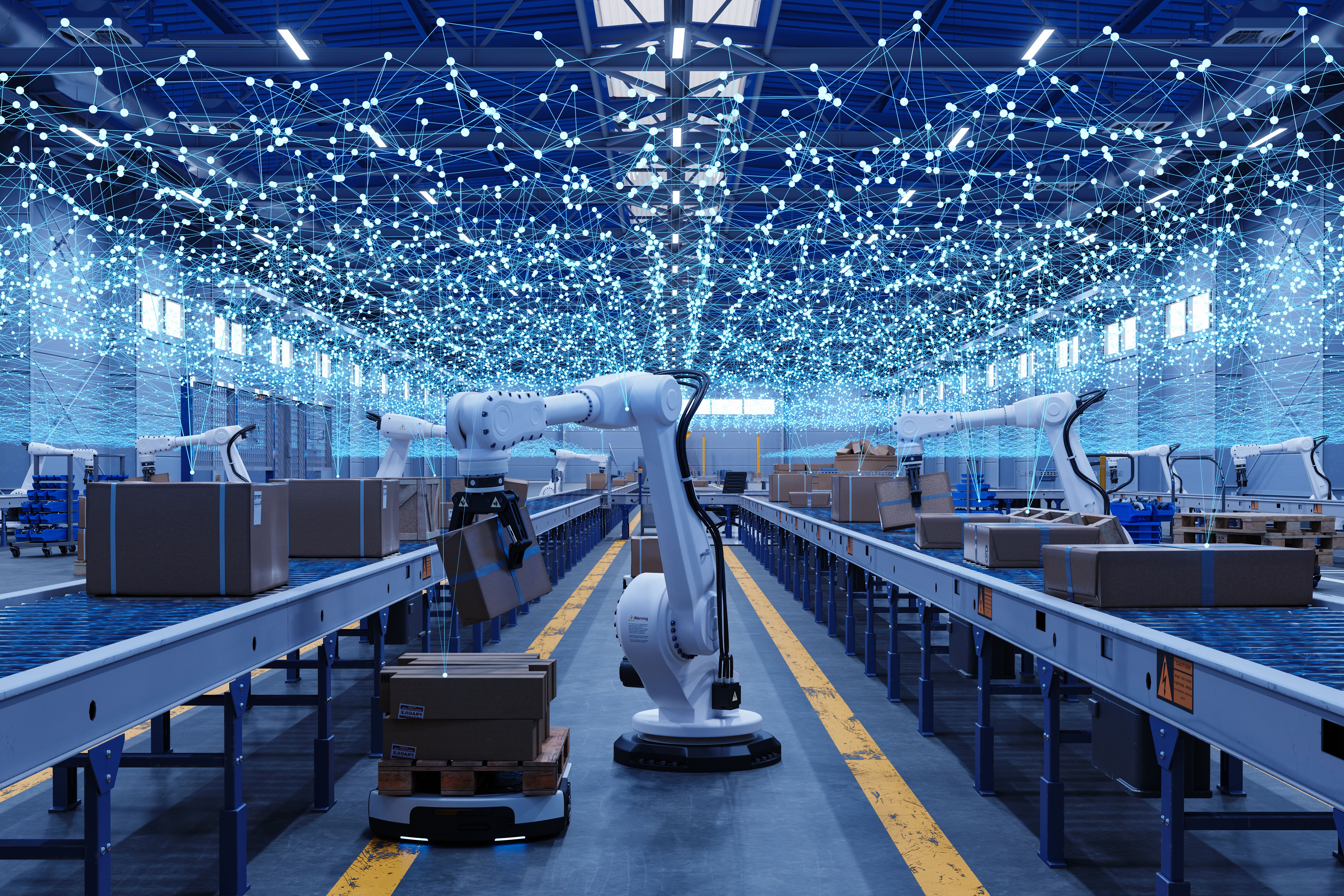
Warehouses are a critical component of logistics, and AI-powered automation is playing a significant role in streamlining operations. From automated sorting systems to robotic picking and packing, AI technologies are increasing the speed and accuracy of warehouse tasks.
For instance, AI-driven robots can work alongside human operators to handle repetitive tasks, allowing employees to focus on more complex activities. This collaboration not only boosts productivity but also reduces the risk of human error, ensuring that orders are fulfilled accurately and efficiently.
Improving Customer Experience
In today's competitive market, delivering an exceptional customer experience is essential. AI-powered automation helps logistics companies meet this demand by providing real-time tracking and personalized delivery options. Customers can receive updates on their shipments and even choose delivery windows that suit their schedules.
Furthermore, AI systems can analyze customer feedback and behavior to continuously improve service offerings. This data-driven approach ensures that companies can adapt to changing customer needs and maintain a competitive edge.
Conclusion
AI-powered automation is a game-changer for the logistics industry, offering unparalleled efficiency and innovation. By optimizing supply chain management, enhancing route planning, streamlining warehouse operations, and improving customer experience, AI is setting new standards for what is possible in logistics.
As technology continues to advance, companies that embrace AI in their logistical operations will be well-positioned to thrive in an increasingly dynamic and competitive marketplace.